Choose Which Site You Want To See



Parrot is a technology brand known for developing consumer and professional drones designed for photography, mapping, and inspection tasks.
Its range typically includes compact models with camera features and specialised options aimed at commercial uses. The brand focuses on accessible designs and tools that support users who need aerial imaging for creative or practical projects. Its products may suit individuals exploring drone technology as well as organisations seeking models with structured feature sets. Information is generally presented clearly, helping users understand capabilities before choosing a device.
Parrot is a long‑established French technology brand known for developing consumer and professional drone systems, along with supporting software and accessories. The company has been active in the drone and wireless technology space for many years, positioning itself as a specialist provider focused on aerial imaging, connected devices, and lightweight aircraft solutions. Its work has evolved from consumer gadgets to more advanced unmanned aerial systems used across creative, recreational, and specialist contexts.
The brand’s positioning sits between accessible consumer technology and focused professional equipment. It has developed compact drones aimed at hobbyists as well as more capable platforms suited to mapping, inspection, or imaging tasks. This dual focus allows the company to appeal to a wide user base while maintaining a clear emphasis on engineering, portability, and user‑friendly design.
Across its history, Parrot has been associated with creative uses of technology. Earlier products explored entertainment and smart device connectivity, while more recent releases emphasise aerial photography, automation tools, and a streamlined approach to remote operation. This gives the brand a reputation for mixing innovation with approachability. Although the technology sector moves quickly, Parrot’s continued presence suggests a stable role within the drone ecosystem, particularly for users looking for equipment that balances capability with direct usability.
Expectations for the brand tend to sit within a mid‑market to specialist space. Users generally look to Parrot for drones that are lightweight, easy to deploy, and shaped around specific scenarios such as filming, surveying, recreation, or educational applications. Instead, it occupies a practical centre ground where portability, software integration, and thoughtful design are recurring themes. This helps shape the overall experience and provides clarity for individuals exploring drone options on the wider market.
Browse the full range on the Parrot website.
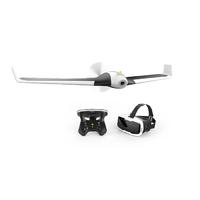
Parrot’s consumer drones are designed for recreational flying and casual image capture. These models often emphasise portability, simple operation, and compatibility with mobile devices. They typically include stabilised cameras, intuitive flight modes, and user‑friendly controllers that align with the brand’s accessible positioning.
The brand also produces more advanced drones tailored for mapping, inspection, or technical imaging. These devices usually incorporate higher‑quality sensors, enhanced flight stability, and support for specialised workflows. They are aimed at users who need dependable aerial tools in fields such as surveying, agriculture, or cinematic capture.
Parrot offers imaging hardware that expands the capabilities of its drones. These modules can include thermal cameras, wide‑angle systems, or high‑resolution sensors. Such accessories enable users to tailor their equipment to specific tasks while maintaining the lightweight design approach typical of the brand.
The company develops software for flight planning, remote operation, and data management. These tools support both recreational and professional users by providing structured ways to control aircraft, analyse outputs, or manage missions. The software typically aligns with Parrot’s focus on clarity and straightforward usability.
Parrot provides a range of accessories such as propellers, batteries, charging equipment, and protective elements. These items support the ongoing use of the drones and offer users flexibility in configuring or maintaining their setup over time.
The brand has offered educational packages aimed at helping learners explore drone operation and basic robotics. These kits generally combine hardware with software exercises, supporting an introduction to flight control and device programming.
Parrot makes available developer resources that allow users to integrate applications or extend drone functionality. These tools appeal to technically inclined users who want to customise flight behaviour, data capture, or device interaction.
Parrot operates with a focus on integrating hardware, software, and lightweight design into a unified experience. Its approach often reflects an interest in making aerial technology accessible while still delivering equipment capable of more structured tasks. Over time, the brand has shifted from general consumer gadgets to clearer specialisation in unmanned aircraft systems.
The company positions itself as a developer of connected, mobile, and adaptable devices. This creates a positioning that appeals to people looking for dependable tools without leaning into either high‑end exclusivity or entry‑level simplicity.
Interacting with Parrot products generally involves straightforward setup and operational guidance. The devices often integrate tightly with mobile apps, making navigation and control accessible to beginners while still supporting more advanced modes. Product information tends to be presented clearly, offering insight into what each drone or accessory is designed to do.
Users exploring drones for the first time may find the combination of software assistance and physical ergonomics helpful. More experienced operators can make use of flight planning, calibration tools, or mission‑oriented features that appear in the professional models. The overall experience reflects a blend of simplicity and structured control.
Parrot is known for its consumer and professional drones designed for imaging and lightweight aerial tasks. The brand has built a reputation around accessible designs and integrated software tools. This combination appeals to users who value portable equipment with clear operational guidance.
Parrot operates by producing drones, imaging modules, and control software that work together as a connected ecosystem. The company focuses on hardware performance, mobile integration, and specialist features that support a variety of use cases without requiring advanced technical knowledge.
Typical users include recreational flyers, creative professionals, educators, and specialists who need compact drones for inspection or mapping. The equipment’s balance of usability and capability attracts people seeking practical aerial tools rather than highly industrial systems.
Parrot drones can be suitable for beginners due to their user‑friendly interfaces and structured flight modes. However, suitability depends on individual comfort levels and the specific model chosen, since some professional devices are oriented toward more experienced operators.
Parrot sits between consumer and specialised drone brands, offering a middle ground of portability, software integration, and practical engineering. It does not typically compete with ultra‑premium or heavy industrial platforms, instead focusing on lightweight and accessible designs.
Users should know that Parrot offers a range of models with different capabilities, so selecting a device aligned with intended tasks is important. The brand’s software‑led approach is central to the experience, and the lightweight focus shapes both performance and practicality.
Parrot has established itself as a recognisable name within the drone landscape, balancing accessible consumer options with more specialised professional tools. The brand’s focus on lightweight aircraft, integrated imaging, and software‑supported operation shapes a clear and consistent identity. It occupies a space that prioritises practicality and usability, which appeals to a varied audience ranging from beginners to task‑focused professionals.
Suitability depends on individual expectations, but many users explore Parrot when they want equipment that is manageable, portable, and supported by clear operational systems. Its long‑standing presence in the market contributes to a perception of stability and familiarity without positioning itself as an ultra‑premium provider. Instead, the company maintains a balanced and thoughtfully engineered offering that aligns with realistic needs across recreational, creative, and technical activities.
Overall, Parrot’s combination of design, software integration, and user‑centred functionality provides a steady option for those looking to understand what lightweight drone technology can offer in everyday and professional contexts.
Ready to shop? See the full range on the Parrot website.
This guide was written by AI. It does not represent the views or opinions of the website owner.
Updated October 2026
 DJI
 Drone Safe Store
 Clickasnap
 Clifton Cameras
 Pixum
 Whitewall
 Olympus